Noisy Breaker Box: What It Means and What to Do
A humming, buzzing or crackling switchboard is not background noise. It is a board telling you something inside it is under strain.
Most homeowners notice it first at night, when the house goes quiet and small sounds carry.
Call (02) 9538 7444 and we will talk through what you are hearing, often same or next day.
Why Your Board Is Making That Noise
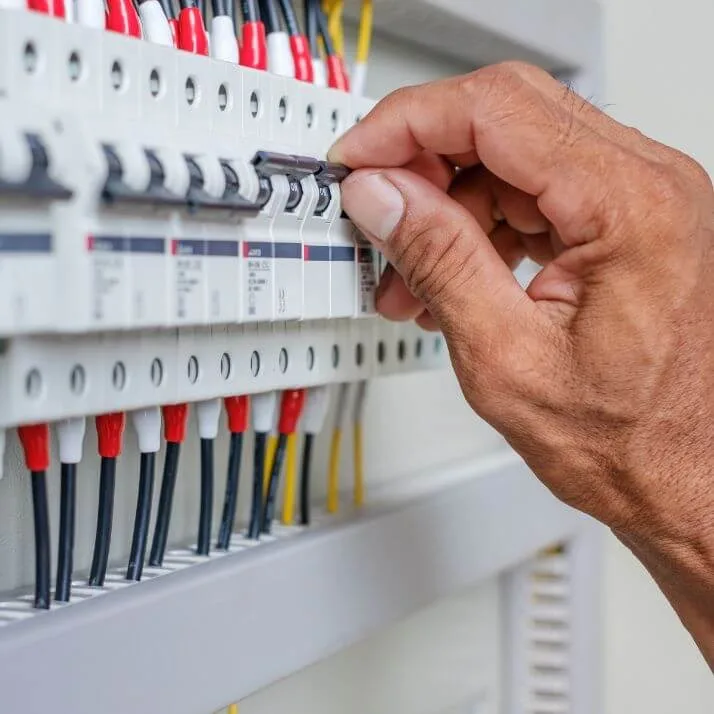
Switchboards should be silent. Any consistent sound, whether it's a hum, a buzz or an intermittent crackle, means current is arcing or a connection is working harder than it was designed to.
That extra resistance generates heat. Heat is what makes the noise, and heat is also what eventually damages the board itself.
How Serious Is It?
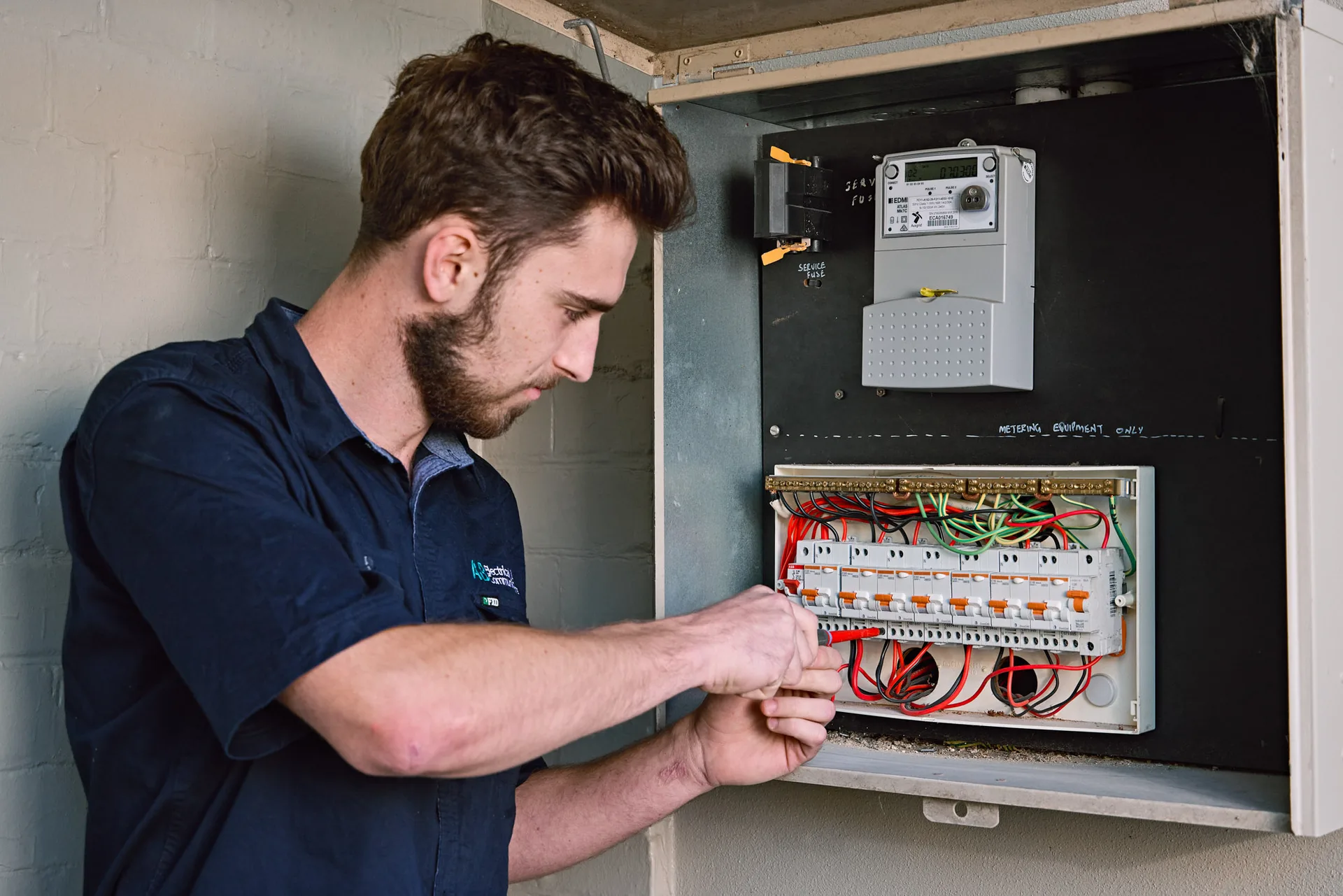
A crackling sound, a burning smell, or a switchboard that feels warm to the touch means stop and call us straight away. That combination points to active heat build-up, and it should not wait.
A steady, low hum with no smell and no heat is a lower-grade warning. It still needs looking at, just not as an emergency.
Any noise that gets louder over days, rather than staying constant, is worth treating as urgent rather than watching it develop further.
The safest general rule: if you're unsure whether what you're hearing counts as urgent, treat it as urgent. A phone call costs you nothing, and a licensed electrician can tell within minutes whether it needs attention right away.
The DIY Myth Worth Dropping
A common belief is that a humming board just needs its breakers "reset" or tightened by hand.
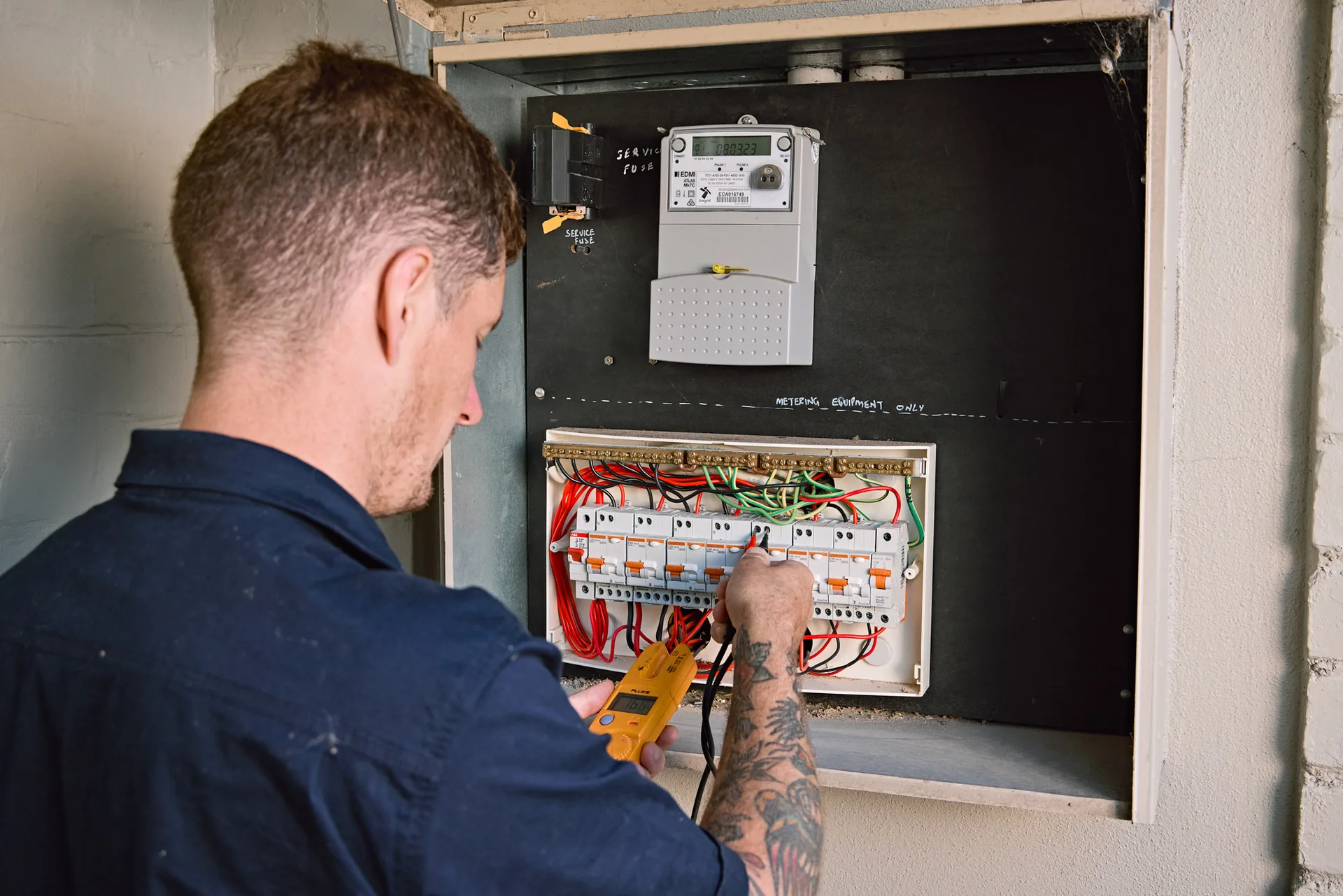
That's not a fix. Tightening a connection at a live switchboard is licensed work, and doing it without turning off supply first is dangerous.
The other myth is that a hum on its own means nothing if the lights still work fine. Noise at a switchboard is one of the few warning signs a fault gives before it fails outright, and homes rarely get a second warning as clear as the first.
The Most Likely Causes
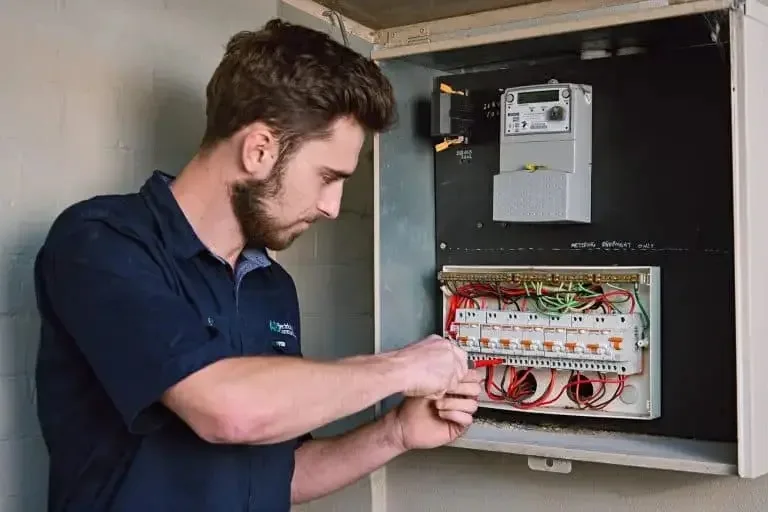
A noisy board usually comes down to one of these. Some are quick to isolate, others take a proper inspection to confirm.
- A loose connection at a breaker or busbar, generating heat and arcing as current passes through
- An overloaded circuit pulling more current than the wiring or breaker was rated for
- A failing breaker nearing the end of its working life
- Old ceramic fuses that were never designed for today's appliance load
- Corrosion or moisture inside the board, common in older enclosures
- Incompatible or poorly matched components from a past DIY repair
Do This First
- Don't touch the board. Leave switches and covers alone if you can hear or smell anything unusual.
- Note when it happens. Constant, intermittent, or only under certain loads: that detail helps us find the fault faster.
- Isolate the circuit if you can do so safely at a switch, and call us rather than investigating further yourself.
- Call (02) 9538 7444 if you smell burning at any point. That single symptom moves this from "book a visit" to "act now."
How We Fix It, Step by Step
We start with a visual and thermal inspection of the board before touching anything, because a noisy connection usually shows up as a hot spot before it shows up as a full fault.
Once we've found the source, we isolate that circuit, repair or replace the faulty connection or breaker, and retest under load to confirm the noise is gone.
Where the board is old enough that one failing part is likely to be followed by another, we'll say so honestly and quote a full switchboard upgrade as the more sensible fix.
You get a written price before anything is touched, and if the job turns out bigger once the cover comes off, we stop and talk it through with you rather than running up an invoice you didn't agree to.
Keeping It From Coming Back
A board that has already made noise once is worth keeping an eye on, even after the immediate fault is fixed.
- Have the board serviced if it's original to an older Thornleigh home and has never been checked
- Upgrade ceramic fuses to circuit breakers, which fail more predictably and safely than old fuse wire
- Avoid overloading a single circuit with high-draw appliances
- Get a switchboard upgrade if the board is already showing its age in more than one way
See our switchboard replacement page for what a full swap-out involves, if that ends up being the right call for your board.
None of this needs to happen all at once. We'll tell you honestly what needs doing now, and what can reasonably wait for the next service visit.
The Thornleigh Pattern We Keep Seeing
A good share of the ceramic fuse boards still running in Thornleigh's earliest housing, built before the war and just after it, were never rated for the loads a modern household actually pulls.
We see this most in homes near the railway station and Comenarra Parkway, where the original board has simply been left in place through decades of renovations around it.
Solar, a home office setup and modern kitchen appliances all get added to those same original boards over time, and a hum is frequently the first sign the board has quietly reached its limit.
Related Faults and Surrounding Areas
If your board keeps dropping power to a circuit, or you've noticed scorching around an outlet, both point to the same kind of connection fault causing the noise.
We cover Thornleigh alongside Westleigh, Hornsby and Wahroonga, so a technician arrives already familiar with the local housing stock.

Call Us Today, We Will Sort It
A board that hums or crackles is telling you plainly that something inside it needs attention before it fails properly.
Call (02) 9538 7444 now and we'll get someone out to check it, often same or next day.
Common questions
Your Noisy Breaker Box FAQs
Here's what people usually want to know once they've heard the noise for themselves.
Why is the noise worse at night or during storms?
A quiet house makes small sounds far more noticeable, and storms put extra strain on circuits that are already working harder than they should. Both make an existing fault easier to hear, not worse on their own.
How do you find the source of the noise?
We isolate circuits one at a time and test each connection at the board under load. A thermal check often shows exactly where the heat, and the noise, is coming from.
Will my safety switch protect me from this?
A safety switch protects against electric shock, not against a loose connection overheating. The two faults are different, which is why a noisy board still needs its own inspection.
Does insurance care if the repair wasn't compliant?
It can. A non-compliant repair can complicate a claim if the same circuit is ever involved in a fire. A Certificate of Compliance is the paper trail that shows the work was done properly.
Should I turn off the mains while I wait for someone to look at it?
Only if the noise comes with heat, smell, or visible damage. A steady hum with no other symptoms can usually wait for a scheduled visit, but don't ignore it for long.
Will the repair come with a certificate?
Yes, wherever the work is notifiable. It's lodged with NSW Fair Trading and included in the price we quote, no separate charge.