A Blown Fuse in Your Thornleigh Home
A fuse blowing isn't a fault in itself. It's the board stopping a circuit before it overheats, and the point of this page is working out what triggered it.
Call (02) 9538 7444 and we'll help you work out whether it's a one-off or something worth fixing properly, often same or next day.
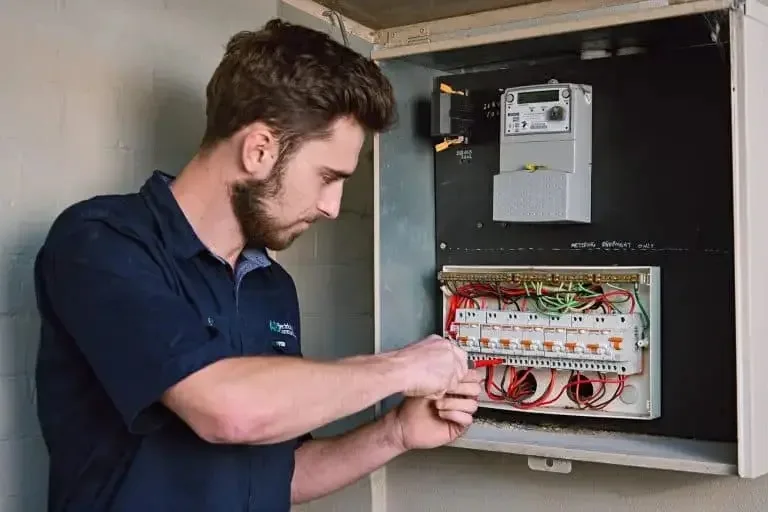
What a Blown Fuse Actually Means
A fuse blows when the current running through a circuit exceeds what the fuse wire is rated to carry. The wire inside heats up and melts, breaking the circuit before anything downstream gets hot enough to matter.
The fuse itself has done nothing wrong there. What matters is identifying whatever forced that current higher than the circuit could safely handle.
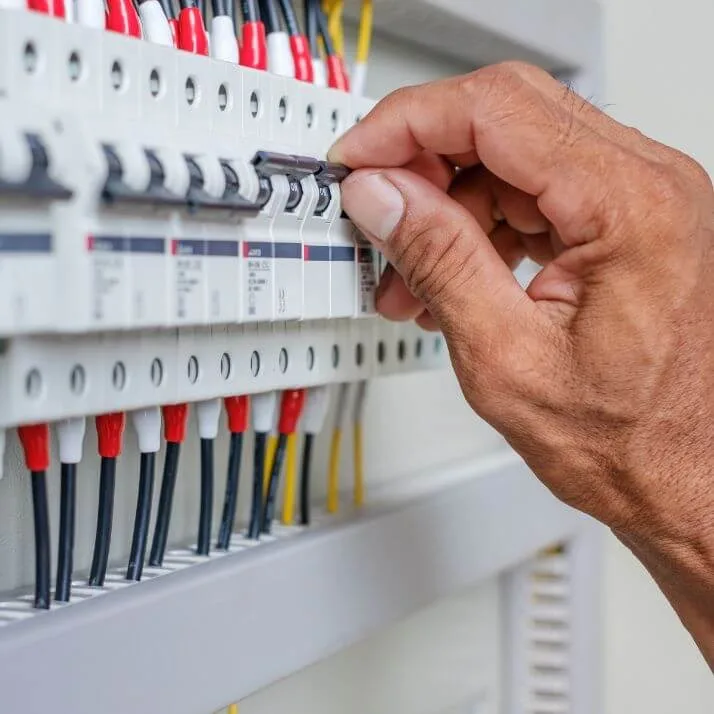
How Serious Is It?
One fuse, one obvious trigger, like an appliance you've already unplugged, isn't urgent. Get it replaced and carry on with your day.
Repeated blowing on the same circuit within days, a scorched or blackened fuse holder, or any smell of burning at the board is a different story. That needs a licensed electrician before you touch it again.
If the fuse box itself feels warm, treat that as urgent no matter how minor the rest looks.
Keep it simple: one clear cause and nothing else unusual can wait for a booked visit. Anything repeated, hot, or smelling of burning needs us now.
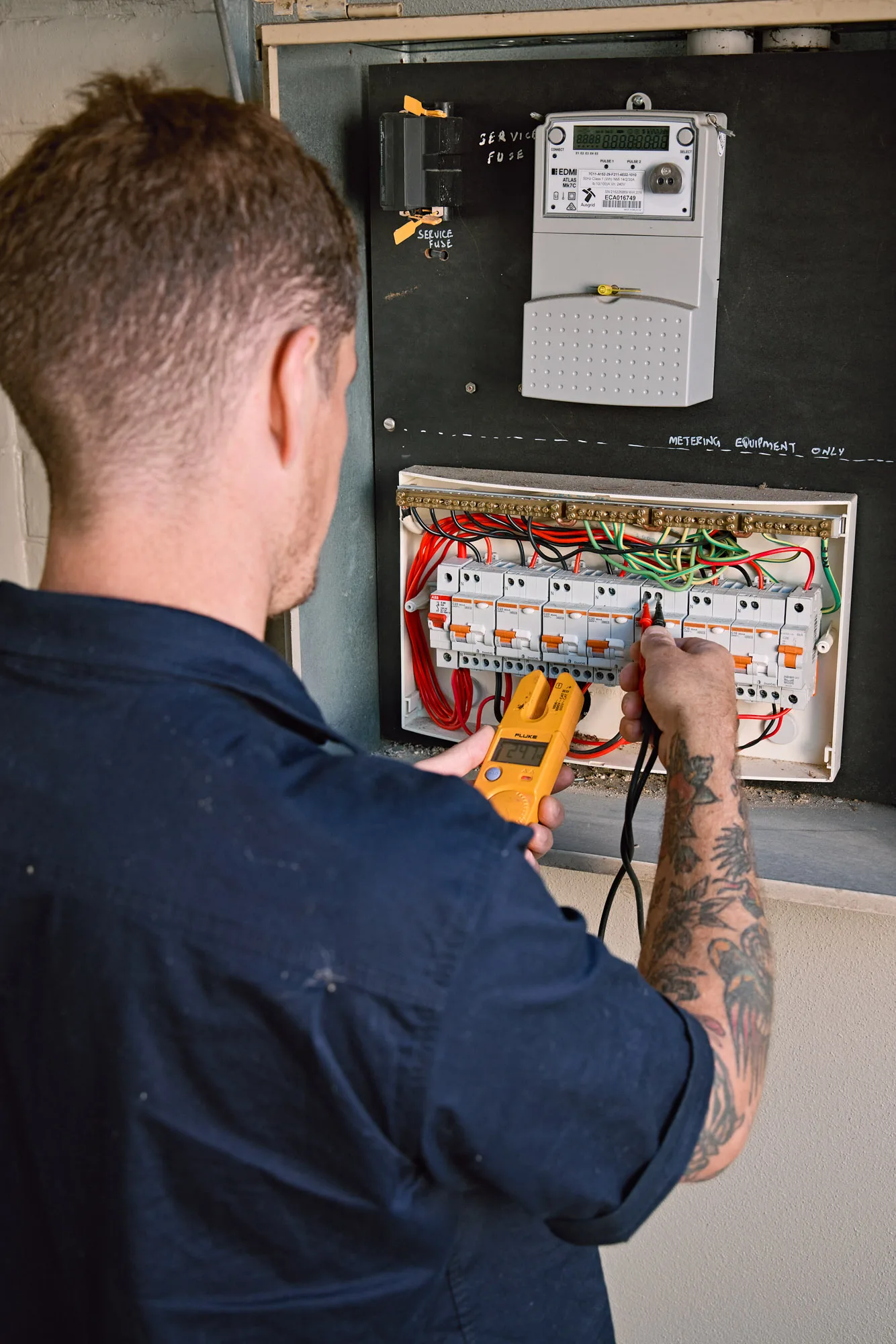
Common Causes of a Blown Fuse
Most blown fuses come down to one of the following.
- An overloaded circuit, drawing more current than the fuse is rated for
- A faulty appliance short-circuiting or drawing excess current
- A loose or corroded connection generating heat and tripping the fuse early
- Age, since old fuse wire can fail well before it's actually overloaded
- A wiring fault somewhere further along the circuit
- Water ingress, especially in older switchboards without weatherproofing
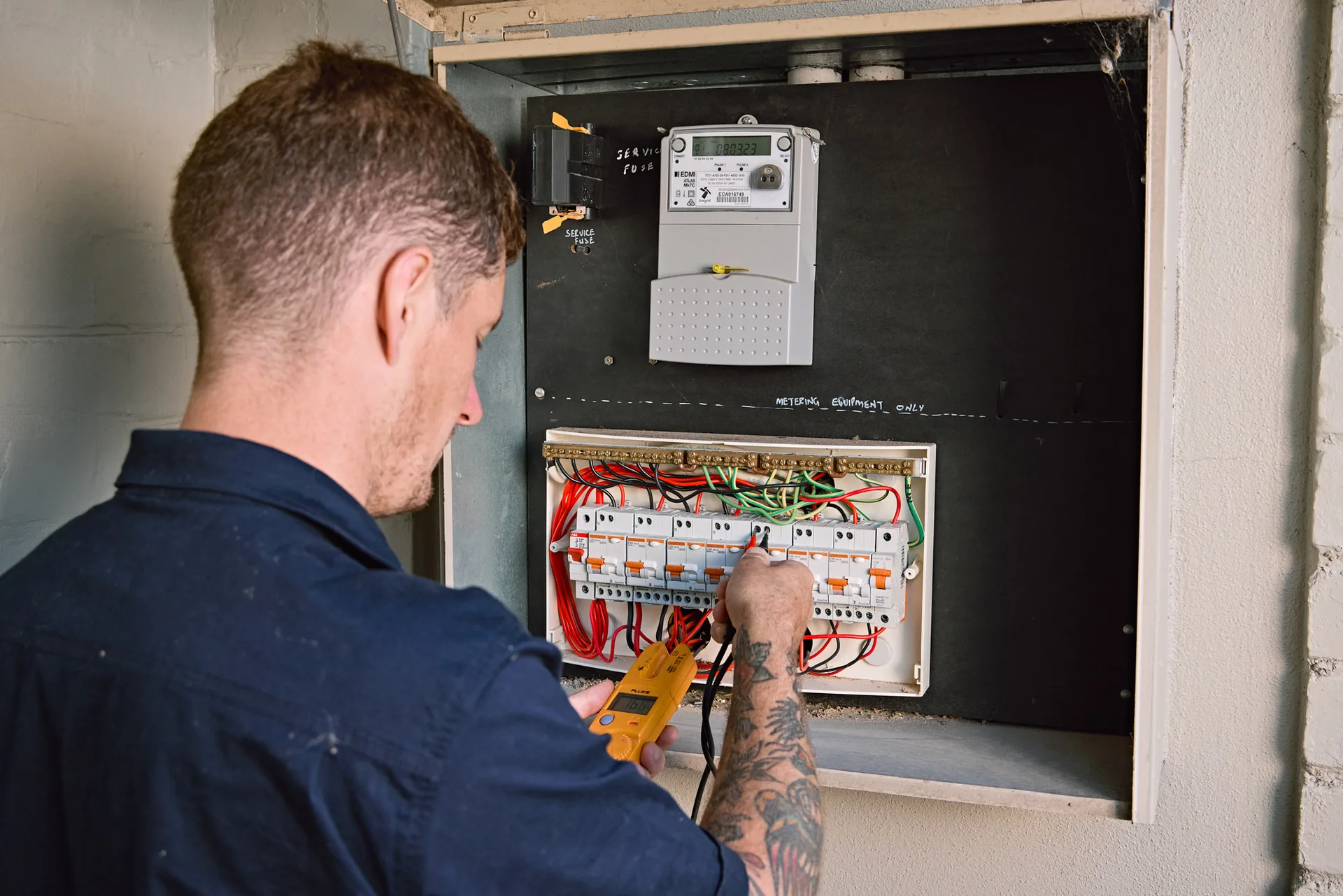
Is It the Appliance or the Circuit?
Older appliances are a common trigger, especially ones with worn heating elements or ageing motors that draw more current as they wear.
A kettle, heater or old fridge nearing the end of its life can pull enough extra current to blow a fuse that's been coping fine with everything else on the circuit.
That said, if the fuse blows again once that appliance is unplugged, the problem has moved from the appliance to the circuit itself. That distinction is exactly what we test for on site, rather than assuming it's the last thing you plugged in.
Getting it wrong matters. Replace the fuse and blame the toaster when the real fault sits in the wiring, and you'll be back to the same problem within days.
What To Do Before We Arrive
- Unplug anything that was running when the fuse blew, especially if it's new or unusual.
- Never fit a heavier fuse to stop it blowing. That removes the exact safety margin the fuse is there to provide.
- Leave the circuit off if the fuse keeps blowing on reset.
- Call (02) 9538 7444 if you notice heat, smell or scorching anywhere near the board.
How We Fix a Blown Fuse
Testing the circuit under load comes before touching the fuse itself, since that's how we tell whether the wiring or the fuse is genuinely at fault.
Once the cause is confirmed, we repair or replace whatever's actually at fault, whether that's a specific appliance circuit or the fuse holder itself.
Every repair is tested under real load before we pack up, not just switched on and left. That confirms the fault is actually gone rather than temporarily quiet.
Where a home is still running a full ceramic fuse board, we'll explain honestly what upgrading to circuit breakers would mean for how often this happens again.
Your quote is confirmed in writing up front. Should the fault reach further than a single fuse, we pause, explain what we've found, and get your go-ahead before doing another thing.
Why This Is Common in Thornleigh Homes
A meaningful number of the older cottages and bungalows around Duffy Avenue and Comenarra Parkway still run original ceramic fuse boards, sized for a much lighter appliance load than a modern household actually uses.
Those boards blow fuses more often simply because the wire inside was never built for today's mix of appliances running at once.
Add a dishwasher, a couple of split systems and a modern entertainment set-up to a circuit that was originally wired for a single power point and a light, and blown fuses become a regular event rather than a rare one.
How to Stop It Happening Again
The most reliable fix is removing ceramic fuses from the equation altogether.
- Upgrade to circuit breakers, which trip and reset safely instead of needing a new fuse each time
- Fit safety switches across every circuit if the home doesn't already have them
- Spread high-draw appliances across separate circuits rather than one
- Get the board assessed if fuses have blown more than once in recent months
Our board upgrade service explains what that job looks like in practice. It's the difference between a home that keeps calling us about the same fuse and one that stops thinking about its board at all.
Other Faults We Chase Down
A board that's started making noise and a fuse that keeps letting go are often symptoms of the same underlying strain, and a newer home's breaker tripping instead usually traces back to the same kind of overload.
We also cover Pennant Hills, Normanhurst and Westleigh on the same weekly run through the shire.

Call Us Today, We Will Sort It
Blowing more than once means it's time for a real diagnosis, not another trip to the hardware aisle for spares.
Call (02) 9538 7444 and we'll get it sorted, often same or next day.
Common questions
Your Blown Fuse FAQs
These are the questions we're asked most once a fuse has gone.
Will my safety switch protect me from a blown fuse?
No, they cover different faults. A safety switch protects against electric shock, while a fuse blows to stop a circuit from overheating. A home can still have a blown-fuse problem with a working safety switch fitted.
How do you find which fuse or circuit is at fault?
We isolate each circuit at the board and test it under load to see which one is actually drawing too much current. That's more reliable than guessing from which fuse looks blackened.
Is a blown fuse an emergency?
Usually not, if it's a one-off and the fuse resets or replaces cleanly. Repeated blowing, heat at the board, or a burning smell changes that and needs attention straight away.
Does it matter for insurance if a fuse was replaced without a compliant repair?
It can. Insurers can ask for proof of compliant electrical work if a claim ever involves the same circuit. A Certificate of Compliance is what shows the work was done to standard.
How long does it take to fix a blown fuse?
Replacing a single fuse and confirming the circuit is sound is usually a short visit. If the board itself needs upgrading, that's a longer job and we'll quote it separately before starting.
Do old ceramic fuses make this worse?
Yes. Ceramic fuse wire was never rated for the loads modern households pull, so homes still running one blow fuses far more often than homes with circuit breakers.